The Future of Primary Care: Why More Providers Are Going Mobile

A Changing Landscape in Primary Care
Healthcare delivery is evolving as providers and patients alike seek more accessible, efficient, and patient-centered solutions. Traditional clinic-based models, while still important, often struggle to meet the needs of aging populations, individuals with chronic conditions, and those facing mobility or transportation challenges. As a result, many healthcare organizations are rethinking how and where care is delivered.
In Georgia and nearby communities, mobile primary care providers are becoming an increasingly important part of this transformation. By bringing medical services directly to patients’ homes, mobile care models aim to reduce barriers while improving continuity, comfort, and overall health outcomes.
Why Providers Are Shifting Toward Mobile Care
One of the driving forces behind mobile primary care is the growing demand for convenience and personalized attention. Clinic schedules can be crowded, limiting the amount of time providers spend with each patient. Mobile care allows clinicians to focus on fewer patients per day, creating space for thorough evaluations and meaningful conversations.
Mobile primary care providers also gain valuable insight by seeing patients in their home environment. Observing daily routines, living conditions, and safety factors helps providers tailor care plans more effectively. This context supports preventive care and early intervention, reducing the likelihood of complications that require hospitalization.
Improved Outcomes Through Proactive Care
Mobile care models emphasize prevention and ongoing monitoring rather than reactive treatment. Regular in-home visits make it easier to track chronic conditions, manage medications, and identify subtle changes in health status. This proactive approach often leads to fewer emergency visits and improved long-term outcomes.
Beyond Health Group embraces this model by prioritizing continuity and relationship-based care. When providers consistently visit patients in their homes, trust develops, communication improves, and care becomes more collaborative. Patients are more likely to share concerns early, allowing providers to address issues before they escalate.
Addressing Workforce and System Challenges
The healthcare system faces ongoing challenges, including provider burnout and rising patient demand. Mobile primary care offers a more sustainable model for many clinicians by allowing flexible scheduling and deeper patient engagement. Providers can practice medicine in a way that aligns with their training and values, focusing on quality rather than volume.
From a system-wide perspective, mobile care helps reduce strain on hospitals and emergency departments. By managing conditions effectively at home, providers contribute to a more efficient and responsive healthcare ecosystem.
A Better Experience for Patients and Families
Patients often report feeling more relaxed and heard during in-home visits. Without the stress of travel or crowded waiting rooms, appointments feel more personal and less rushed. Family members and caregivers can easily participate, ensuring everyone involved understands the care plan and expectations.
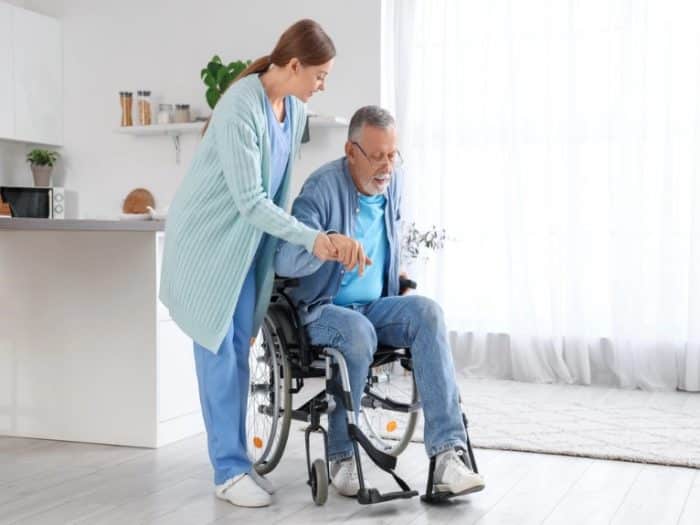
Mobile primary care providers also support aging in place, allowing individuals to remain in familiar surroundings while receiving consistent medical care. This approach enhances quality of life and promotes independence, especially for older adults.
Looking Ahead
In Georgia and surrounding communities, the shift toward mobile healthcare is shaping the future of primary care delivery. As more organizations adopt this approach, patients can expect greater accessibility, stronger relationships with providers, and care that adapts to real-life needs. By investing in innovative mobile primary care providers, Beyond Health Group is helping redefine how primary care is delivered, creating a model that prioritizes compassion, continuity, and long-term wellness.