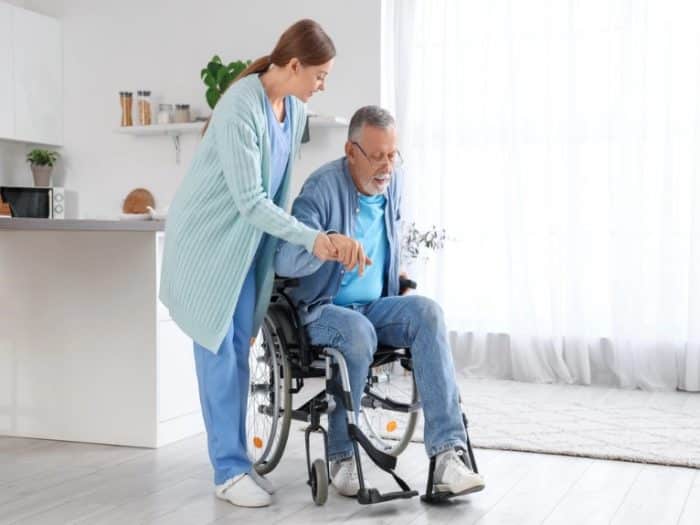
Home Health vs Home-Based Primary Care: What’s the Difference?
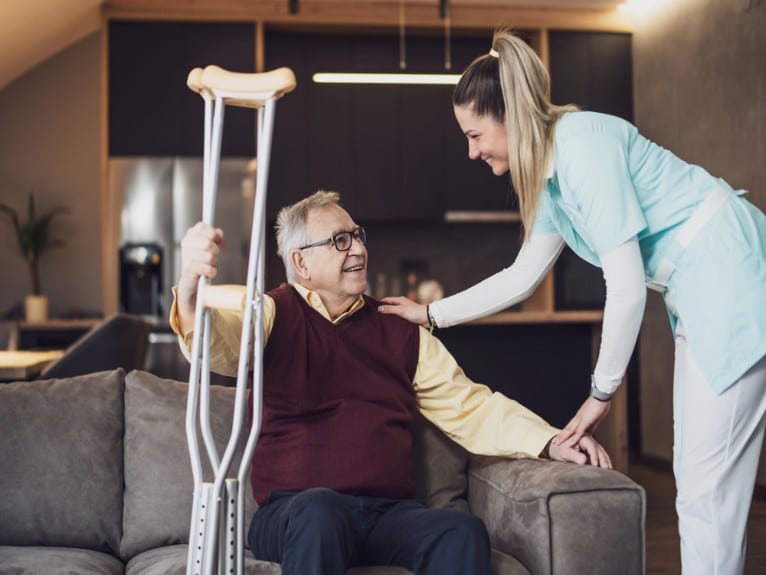
Understanding In-Home Care Options
When a loved one needs medical care at home, families are often introduced to terms that sound similar but represent very different services. Home health care and home-based primary care are two common options, and understanding how they differ is essential for making informed healthcare decisions. While both bring care into the home, they are designed for different purposes, timelines, and levels of medical involvement.
In Georgia and nearby communities, families frequently explore in-home care to support aging adults or individuals with complex health needs. Home based primary care services offer a long-term medical solution, while home health care is usually short-term and focused on recovery. Knowing which option fits your situation can help prevent gaps in care and unnecessary stress.
What Home Health Care Is Designed to Do
Home health care is typically ordered after a hospitalization, surgery, or acute illness. Its primary goal is recovery. Services may include skilled nursing, physical therapy, occupational therapy, or speech therapy, depending on the patient’s condition. These visits follow a structured plan with specific goals, such as improving mobility or managing wound care.
Home health care is temporary by design. Once recovery goals are met, services usually end. While valuable during transitional periods, home health care does not replace a primary care provider and does not focus on long-term medical management.
How Home-Based Primary Care Is Different
Home-based primary care is an ongoing model of healthcare that delivers comprehensive primary care directly in the patient’s home. This includes routine checkups, chronic condition management, medication oversight, preventive care, and coordination with specialists. The goal is to provide consistent medical support over time rather than short-term recovery assistance.
Beyond Health Group focuses on building long-term relationships with patients through this model. Providers regularly visit patients, monitor changes in health, and adjust care plans as needs evolve. This continuity allows for earlier intervention, better communication, and more personalized care.
Key Differences in Scope and Duration
One of the biggest differences between these two options is duration. Home health care is short-term and goal-oriented, while home-based primary care is continuous and designed to support long-term health. Scope also differs significantly. Home health addresses specific skilled needs, whereas primary care manages the whole person, including multiple chronic conditions and preventive needs.
Patients receiving home-based primary care often rely on their in-home provider as their main source of medical guidance. This approach supports aging in place and reduces the need for frequent clinic or hospital visits.
Choosing the Right Option for Your Loved One
The right choice depends on individual circumstances. Someone recovering from surgery may benefit most from short-term home health services. An older adult with limited mobility, multiple diagnoses, or difficulty traveling to appointments may need ongoing primary care delivered at home.
Caregivers should also consider the level of support they need. Long-term primary care at home often provides caregivers with education, guidance, and reassurance, helping reduce stress and uncertainty over time.
Making an Informed Decision
In Georgia and surrounding communities, both care models play important roles in supporting patients at home. Understanding the difference between home health care and home based primary care services helps families choose care that aligns with both immediate needs and long-term health goals. By offering consistent, patient-centered medical care in the home, Beyond Health Group helps families navigate these choices with confidence while ensuring loved ones receive the right level of care at every stage.