Why Home-Based Primary Care Is Ideal for Alzheimer’s & Dementia Patients

Supporting Cognitive Health in Familiar Surroundings
Caring for a loved one with Alzheimer’s disease or dementia presents unique challenges that extend beyond medical needs. Changes in memory, behavior, and communication often require patience, structure, and consistency. For individuals living with cognitive decline, unfamiliar environments can increase confusion, anxiety, and agitation, making traditional clinic visits difficult and stressful.
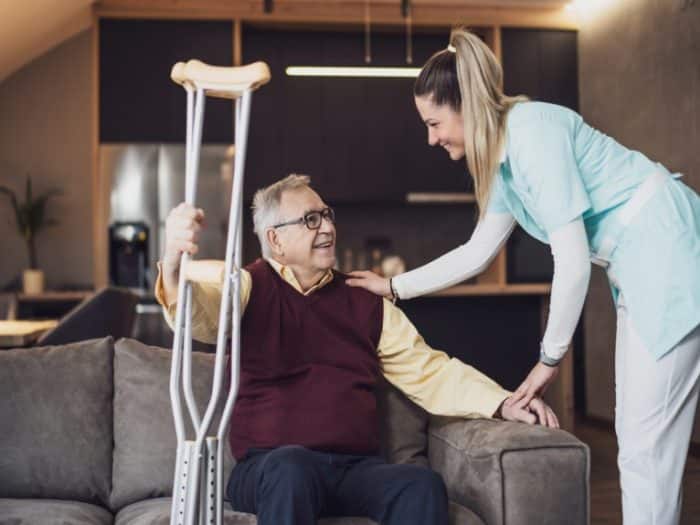
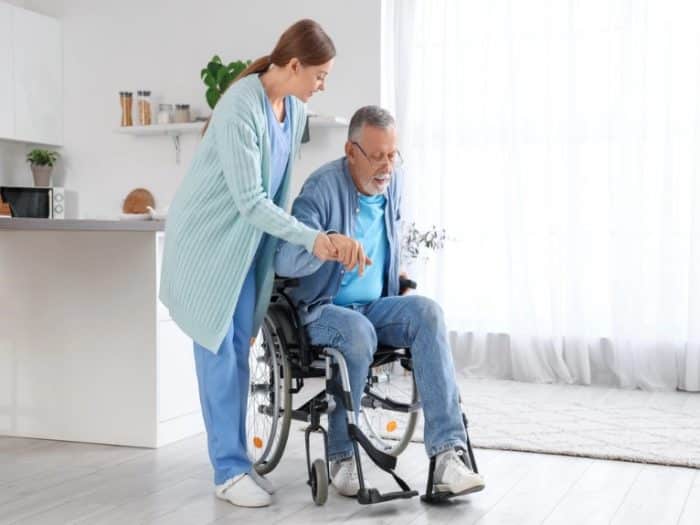
In Georgia and nearby communities, families are increasingly turning to in-home care models to better support loved ones with cognitive impairment. Dementia care at home allows patients to receive consistent medical attention while remaining in a familiar environment, helping reduce disorientation and preserve a sense of routine.
Why Familiarity Matters for Dementia Patients
Routine and familiarity play a critical role in dementia care. Even small changes in environment can trigger distress or behavioral symptoms. Receiving medical care at home allows patients to remain surrounded by familiar sights, sounds, and daily patterns, which can significantly improve comfort and emotional well-being.
Home-based primary care providers can tailor visits around the patient’s routine, minimizing disruptions and helping maintain stability. This approach is especially beneficial for individuals who struggle with transitions, transportation, or waiting in unfamiliar medical offices.
More Time, Less Stress During Appointments
Traditional clinic visits are often rushed and overstimulating, which can be overwhelming for patients with dementia. In-home visits typically allow for longer appointment times, giving providers the opportunity to engage patiently and adapt communication styles to the patient’s needs.
This slower pace supports better assessments and reduces stress for both patients and caregivers. Providers can observe behavior, cognition, and physical health in a natural setting, offering insights that may not surface during a brief office visit.
Beyond Health Group prioritizes relationship-based care, ensuring providers build trust over time. Familiar faces and consistent care teams help dementia patients feel more at ease, which can lead to more productive visits and better overall outcomes.
Better Support for Family Caregivers
Caring for someone with Alzheimer’s or dementia often places a significant emotional and physical burden on family members. Home-based primary care offers caregivers direct access to medical professionals who understand the complexities of cognitive decline.
Providers can offer guidance on symptom management, medication oversight, and behavioral changes while answering caregiver questions in real time. This support helps caregivers feel more confident and less isolated in their role, especially as the condition progresses.
Proactive Monitoring and Safety Awareness
Dementia is a progressive condition that requires ongoing monitoring. Regular home visits allow providers to track changes in cognition, mobility, and overall health. Early recognition of changes can lead to timely adjustments in care plans, helping prevent complications.
Home visits also allow clinicians to identify safety concerns within the living environment, such as fall risks or medication management issues. Addressing these concerns proactively supports safer aging in place and reduces the likelihood of emergency situations.
A Compassionate Model for Cognitive Care
In Georgia and surrounding communities, home-based primary care has become an invaluable option for families navigating Alzheimer’s and dementia care. By combining consistency, comfort, and personalized medical attention, dementia care at home supports both patients and caregivers through every stage of the journey. Through compassionate, in-home services, Beyond Health Group helps families maintain dignity, stability, and quality of life while managing the complexities of cognitive decline.